A Designer's Review of the Foot Print of the Dog Applique
When an embroidery design lands in my library, I’m not just looking at a file. I’m imagining the final product—how it feels, how it sells, how it wears on a real garment. The Foot Print of the Dog Applique is one of those straightforward, charming designs that, at first glance, seems simple. But its real value lies in how it translates from a digital file to a tactile, finished piece. Let’s walk through what this means for your next project.
The Immediate Mood and Visual Personality
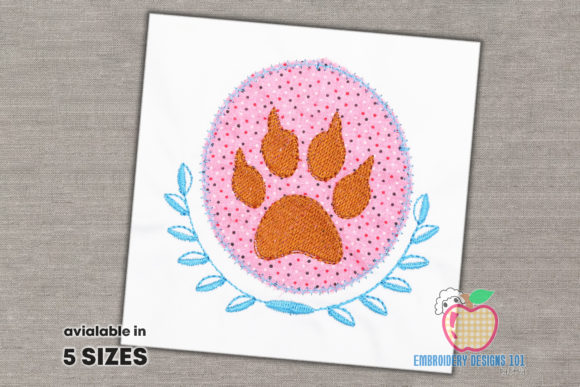
This design evokes a sense of playful, loyal affection. It’s not overly cartoonish or excessively detailed; it’s a clean, classic dog paw shape. The visual personality is friendly and universal, speaking directly to dog lovers without needing breed-specific details. This makes it incredibly versatile. As a designer, I appreciate designs that create an immediate emotional connection without demanding complex stitching. The layout is clean, with the applique shape as the clear focal point. It feels like a design built for application, not just display.
Natural Homes for This Paw Print
I immediately picture this on a custom tote bag for a dog park regular, or as a subtle accent on the sleeve of a cozy sweatshirt. It’s perfect for personalizing baby items for a new pup-loving family—think a soft blanket or a bib. Its moderate scale and clear shape make it ideal for embroidered patches, which can be applied to backpacks or hats. For small business owners, this design slots beautifully into holiday gift lines—perhaps on a kitchen towel set for a dog owner or a pillow cover for a cozy nursery decor package. The theme is evergreen; demand for dog-themed personalized gifts doesn’t fade.
Considering Texture and Background
On a textured fabric like a sweater or a canvas tote, the applique’s satin stitch border will pop, giving a professional, finished look. On smooth cotton for a baby garment, it will appear crisp and gentle. I’d be cautious, however, on very thin or stretchy fabrics without the right stabilizer strategy—the design’s integrity depends on clean edges. On dark fabric backgrounds, thread color contrast is paramount; a light-toned paw print on a black sweatshirt can be strikingly elegant, but you must test your thread choices.
Performance in Real-World Stitching
The product description notes color changes are separated, which is a practical boon for managing thread and for potential customization. This structure suggests you could easily swap thread colors to match a specific brand palette or a customer’s request. For craft business items, this adaptability is key. I always advise testing a new design like this on scrap fabric first, mimicking the final project’s material. Check the stitch density, especially in the fill areas; a too-dense design on a lightweight tee can become stiff.
Since it’s an applique design, the process involves fabric pieces, which adds a lovely layered, handmade depth to the finished product. This elevates the perceived value—customers see and feel the craftsmanship. For an Etsy seller creating boutique products, that tactile quality enhances trust and presentation. Imagine this paw print on a high-quality apron: it feels durable and well-made, not just stamped on.
A Scenario: The Custom Embroidered Tote
Let’s say a client requests a tote bag for their veterinarian’s office as a gift. The Foot Print of the Dog Applique is a perfect, professional yet warm choice. I’d select a sturdy canvas, use a crisp stabilizer, and choose thread colors that complement the tote’s base color. The separated color steps make the embroidery machine workflow smooth. The final result isn’t just a logo; it’s a symbol of appreciation that’s both decorative and meaningful. The client’s reaction is likely one of recognition and delight—the design is instantly understandable and emotionally resonant.
Where to Exercise Caution
While versatile, some applications require extra thought. On curved surfaces like caps, the applique’s flat shape might need careful hooping and stabilization to avoid distortion. If you’re considering very small hoop sizes to miniaturize the design, inspect the detail level; the smaller you go, the simpler it becomes, which might be fine, but test it. For products destined for frequent washing, like kitchen towels or baby clothes, ensure your applique fabric and stitching are secure and use high-quality threads to maintain clarity.
Also, for commercial embroidery projects where speed is factor, the applique process adds steps compared to a straight fill design. Plan your production time accordingly. The design’s strength is its handmade appeal, which sometimes means a slightly slower creation process for a higher-value result.
Impact on Your Business and Brand
Using a well-executed design like this consistently across your product line—say, on a series of dog-themed nursery items—builds brand consistency. It looks professional and deliberate. For digital product sellers offering this as a digital embroidery file, its clear description and multi-format nature (as indicated) are major selling points for customers who need machine compatibility. The design’s giftability is high; it’s a neutral, positive symbol that fits many occasions.
Before selling any finished items, always confirm the licensing terms for the design file. This is a crucial step for creative entrepreneurs to protect their businesses. Does it allow for commercial use of the stitched product? That information is essential.
Practical Designer Notes for Your Project
- Always run a test on a fabric scrap identical to your final product.
- Review thread color contrast for both light and dark backgrounds—consider creating black and white mockups to visualize.
- Confirm the minimum hoop size required for your desired output size; don’t assume.
- Use the appropriate stabilizer for your fabric type; this is non-negotiable for applique clarity.
- Inspect the design file itself in your software to understand the stitch sequence and color breaks.
- If creating products for sale, verify the license allows commercial use of the finished, embroidered item.
- Consider how the design fits into a broader product collection for your small shop.
In essence, the Foot Print of the Dog Applique is a reliable, emotionally smart design asset. It won’t challenge your machine with excessive density, but it will challenge you to think creatively about its application. From a simple patch to a featured element on a custom apparel piece, it holds up. Its success lies in your hands—in your choice of fabric, your thread, and your understanding of the customer who will ultimately cherish that little paw print.