Evaluating Triceratops Dinosaurs Machine for Professional Projects
When you're selecting a new embroidery file for commercial work or a handmade gift, it's not just about the image. You're evaluating the stitch structure, the potential for production hiccups, and how it will elevate the finished product. After reviewing Triceratops Dinosaurs Machine, here's my honest take from the perspective of someone who needs designs that perform under the needle.
A Design with Playful Charm and Surprising Detail
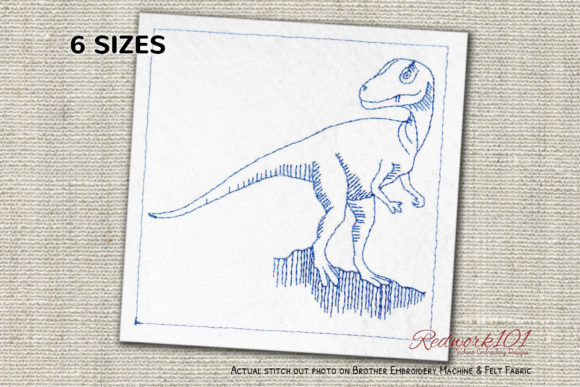
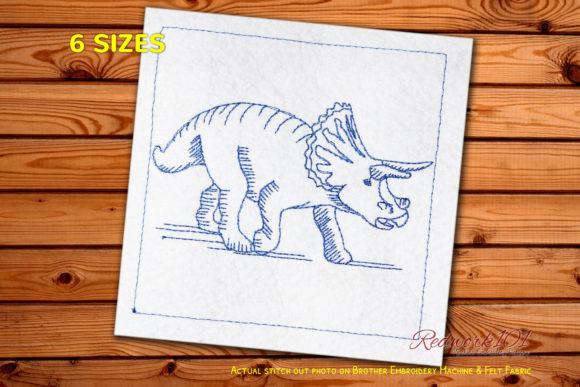
The first impression of Triceratops Dinosaurs Machine is one of cheerful, prehistoric charm. It leans more towards a decorative, stylized aesthetic rather than a scientifically rigid illustration, which I find perfect for gifts and casual apparel. The personality is playful, making it an ideal candidate for items aimed at children, like baby blankets or nursery decor, or for adults who appreciate a lighthearted, graphic motif. The detail level is well-balanced—features like the horns and facial expression are clear without being overly intricate, which is a positive sign for smooth stitching.
One key note from the product description is about the optional box stitch. The clarification that the outer box color can differ and can be skipped is crucial. This gives you immediate flexibility. For a tote bag or apron, that clean border might frame the design nicely. For a cap or a patch, you might omit it for a more integrated look. This built-in optionality is a thoughtful touch for a machine embroidery design.
Project Fit: Where This Dinosaur Shines
This embroidery file naturally fits a range of projects. Its size and style make it a strong contender for a statement piece on a sweatshirt or the focal point on a pillow cover. For small business owners and Etsy sellers, it has excellent giftability—think personalized gifts for dinosaur-loving kids, or themed kitchen towels for a fun, functional touch. It would also integrate well into a boutique's seasonal lineup, perhaps for a birthday or a "just for fun" collection.
For commercial embroidery or craft fair products, the design's clear shapes suggest it could stitch out efficiently, a must for batch work. Its visual appeal is straightforward and engaging, which helps in product photography and customer engagement online. When a design is easily understood and looks clean, it builds buyer trust in the quality of your handmade presentation.
Practical Performance on Real Fabrics and Products
Considering real-world use requires thinking about the surfaces and materials you'll encounter. The design's composition, with presumably distinct areas of satin stitch and fill stitch, should handle textured fabrics like canvas for tote bags reasonably well if stabilized properly. For stretchy fabrics like sweatshirts, a good stabilizer choice will be paramount to prevent distortion, especially if there are dense stitch areas.
Dark fabric is always a consideration. The product description doesn't specify thread colors, so you'll need to check the included palette or make your own selections. A high-contrast color scheme will make this dinosaur pop on darker materials. For curved surfaces like caps, the optional box might be less suitable, but the core dinosaur shape, if not too wide, should adapt well with careful hooping.
Layered details are the heart of any design. Before running Triceratops Dinosaurs Machine on a final product, a test on scrap fabric of the same type is essential. This allows you to inspect the small details after stitching—are the horns sharp? Does the face maintain its expression? You'll also want to review the stitch density on your specific machine to ensure it's not too heavy for lightweight items like baby blankets, which also need to withstand frequent washing.
Essential Pre-Stitch Checklist
- Always test first. Run the file on a scrap of your target fabric with your chosen stabilizer.
- Check thread contrast. Plan your color choices for both light and dark background mockups.
- Confirm the hoop size required. The product details on Creative Fabrica should list this; ensure it fits your project dimensions.
- Inspect file details. Before any commercial use, thoroughly review the provided file formats and the license on the Creative Fabrica product page to confirm it aligns with selling finished items.
- Consider the optional elements. Decide if the box stitch enhances your specific application—for a patch, you likely skip it.
Impact on Product Value and Brand Consistency
Using a well-executed digital embroidery file like Triceratops Dinosaurs Machine can directly affect perceived product value. A clean, cheerful embroidered dinosaur on a high-quality apron or tote bag feels professional and intentional. For creative entrepreneurs building a brand, consistently using designs with this level of clear craftsmanship helps establish visual coherence across your product line.
It’s also a design that lends itself to strong printable mockups for online listings. The graphic nature means it can be represented well digitally, driving customer engagement before they even see the physical item. For digital product sellers, understanding how such an asset translates into a tangible, sellable finished product is key.
Final Verdict for Your Workflow
Triceratops Dinosaurs Machine appears to be a solid, versatile embroidery design with a specific decorative mood. Its strengths are its playful character and the practical flexibility offered by the optional box stitch. It seems suited for projects where fun and visual clarity are priorities, from custom apparel to handmade gifts.
The potential considerations are typical for any new file: you must do your due diligence with testing, especially on smaller items or tricky fabrics, and absolutely verify the licensing for commercial sale. Provided the stitch density and file formats are compatible with your equipment and intended use—information you must get from the product page itself—this dinosaur design could become a reliable and charming asset in your embroidery repertoire, adding value to your projects and pleasing your customers.