Crafted Quilting Design: A Designer's Practical Review
As an embroidery designer running a personalized gift shop, I always test new files thoroughly before they ever touch a customer's order. Today, I'm putting Crafted Quilting Design under the microscope. This isn't just about stitch quality; it's about imagining the finished, heartfelt product in a client's hands. Does this design have the charm and versatility to become a beloved keepsake?
A First Look: The Mood and Appeal of the Design
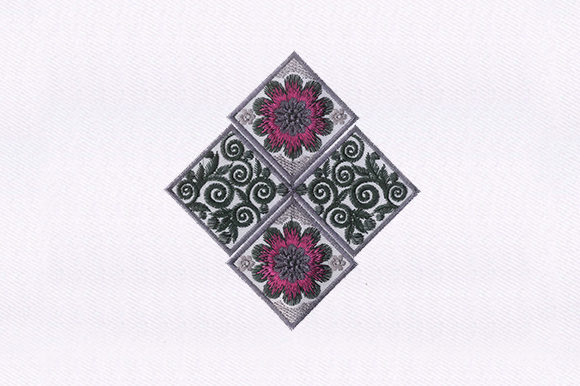
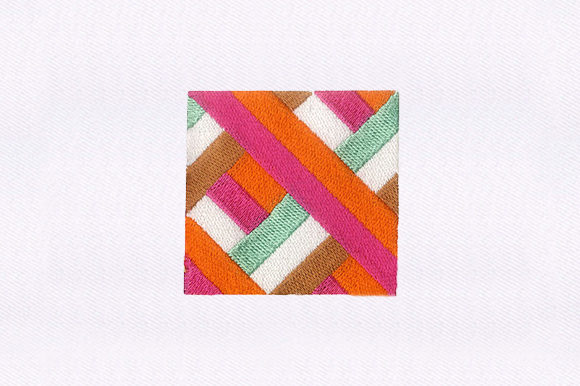
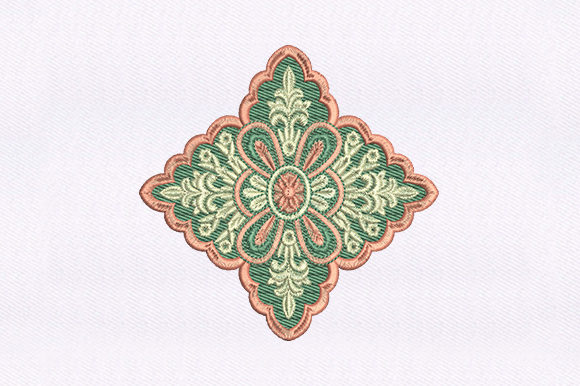
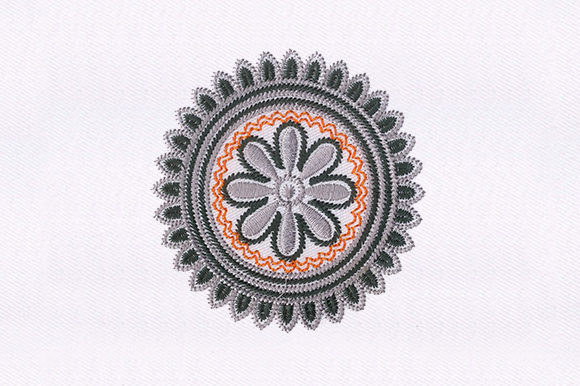
The immediate impression of Crafted Quilting Design is one of elegant warmth. It doesn't shout; it whispers with a handmade, classic charm. The details suggest a sweet, timeless quality that feels both romantic and cozy. This emotional appeal is its greatest asset for a personalized gift business. It doesn't feel overly seasonal or trendy, which means it can adapt to a customer's story, becoming a modern heirloom for a baby, a wedding, or a family home.
Versatility in Practice: From Baby Blankets to Wedding Keepsakes
My mind immediately starts sketching applications. For a baby embroidery project, this design could be stunning on a nursery blanket or a delicate pillow cover, perhaps with a name stitched alongside it. For wedding gift designers, imagine it embroidered onto a set of kitchen towels for the new couple, or as a central motif on a custom tote bag for the honeymoon. The classic feel makes it perfect for family keepsakes like framed wall art or a decorative apron.
For small business owners, this versatility is gold. An Etsy seller could use the same embroidery file to create an entire line: pillow covers, embroidered towels, blanket embroidery edges, and even craft fair products like decorative tea towels. Creating a printable mockup showing the design on different items—a baby item, a kitchen linen, a pillow cover—would immediately boost buyer engagement by helping them visualize the personalized gift.
Where This Design Excels and Where to Exercise Caution
Its elegance likely comes from fine details. On stable, medium-weight fabrics like quilting cotton for blankets or linen for pillow covers, it should sing. However, on challenging surfaces, careful planning is non-optional. If the design includes small lettering or delicate details, test it rigorously on textured fabric or dark fabric first. Thick towels and stretchy baby clothes demand the correct stabilizer and possibly adjusted stitch density to prevent puckering.
Embroidering on curved surfaces like a tote bag side requires secure hooping and perhaps a smaller hoop size than you'd use for a flat blanket. And for any product destined for frequent washing, like kitchen linens, a test on scrap fabric followed by a brutal wash cycle is the only way to guarantee durability and maintain that handmade quality trust.
The Giftability Factor: Building Trust and Value
From a shop owner's perspective, Crafted Quilting Design inherently boosts perceived value. Its classic, detailed appearance feels intentional and skilled, not generic. This directly enhances giftability. A customer buying a custom embroidery baby blanket isn't just buying fabric and thread; they're buying the emotional connection the design facilitates. In product photography, this design will provide a beautiful, focused centerpiece that tells a story, making your Etsy listing or small shop product stand out.
That visual appeal builds customer trust. They see a handmade product that looks professional and heartfelt. For a wedding gift designer or a baby product creator, this trust is the foundation of repeat business and word-of-mouth referrals. The design becomes a reliable tool in your arsenal for fulfilling custom order previews with confidence.
Essential Embroidery Notes Before You Stitch
Before you run this machine embroidery design for a real order, a disciplined process is key. Always test on scrap fabric identical to your final product material. Check thread color contrast against both light and dark backgrounds; a color that pops on white may vanish on navy. Confirm hoop size requirements and review stitch density by examining the file in your software—high density on delicate fabrics can cause stiffness.
Using the proper stabilizer is not a suggestion; it's a requirement for clean results on any fabric texture. I always compare light and dark fabric mockups digitally to plan my thread palette. After your test stitch, meticulously check small details after stitching to ensure everything is crisp and intact.
Finally, a crucial step for any business: confirm commercial licensing before selling finished products. The provided embroidery file formats—10O, ART, CND, DSB, DST, DSZ, EXP, HUS, JEF, PCS, PEC, PES, TAP, VIP, VP3, XXX—offer wide machine compatibility, but the license terms dictate your use. Never assume. Checking this allows you to scale your commercial embroidery work ethically, from single personalized gifts to bulk orders for your shop.
A Design Ready for Meaningful Making
After this review, Crafted Quilting Design emerges as a thoughtfully versatile file. It carries an emotional weight that translates beautifully into tangible products. For the embroidery maker serving clients seeking meaning—the new parent, the celebrating couple, the nostalgic family—this design provides a perfect canvas. Its success hinges not on the file alone, but on your careful application: the right fabric, the precise technique, and the clear commercial rights. With that diligence, it can become a star in your collection of digital embroidery files, helping you craft gifts that are, truly, crafted.