My Designer Review: Cross Quilting Embroidery for Apparel
As someone who designs custom apparel for boutique brands, I’m always looking for embroidery files that offer both visual impact and practical application. When planning a new sweatshirt collection, I came across Cross Quilting on Creative Fabrica and wanted to share my thoughts from a professional embroidery designer’s perspective.
The First Impression: A Timely, Textural Pattern
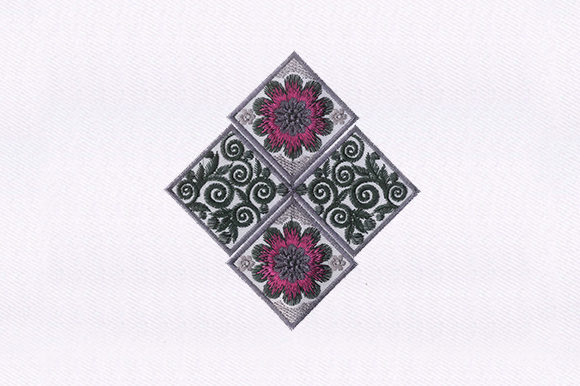
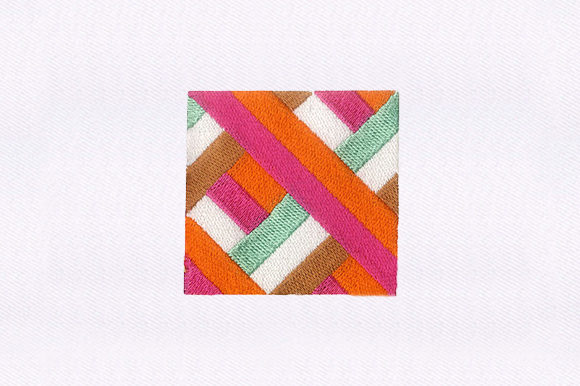
My immediate reaction to Cross Quilting was its strong textural personality. It feels classic yet contemporary, a geometric pattern that carries a handmade, crafted mood. The level of detail is decorative without being overwhelming, making it a versatile choice. It leans towards a premium, rustic aesthetic—not overly cute or bold, but possessing a quiet strength that could elevate simple garments.
Visual Mood and Sweatshirt Applications
For my planned collection, I envision this design on neutral heavyweight sweatshirts and pastel hoodies. The pattern’s repeating structure would work beautifully as a centered chest design, offering a focal point that’s intricate but not chaotic. On the back of an oversized garment, Cross Quilting could create a striking, all-over art piece. Its consistent density suggests it would hold up well on darker apparel, provided thread color contrast is thoughtfully chosen—a bright white or soft pastel thread on a charcoal hoodie, for instance.
Beyond sweatshirts, this design has potential for tote bags and denim jackets, adding a touch of crafted detail to everyday items. For cozy seasonal outfits, like a fall fleece, it injects a homemade, quilting-inspired vibe that resonates with customers looking for unique, handmade products.
Where Cross Quilting Excels in Boutique Merchandise
- Sweatshirt & Hoodie Chest Placement: The 4×4 hoop size indicated in the product specifications is ideal for a standard left-chest or centered design on most adult sweatshirts.
- Sleeve Accents: A smaller iteration of the pattern could be adapted for sleeve details, though careful testing on the curved surface would be needed.
- Tote Bag Design: The pattern’s decorative strength makes it perfect for bag fronts, enhancing product recognition for a small shop.
- Professional Presentation: In lifestyle product photos, printable mockups, and Etsy listings, this design conveys a sense of visual consistency and careful craftsmanship, which builds buyer trust.
- Commercial Embroidery Products: For a small clothing brand, using a distinctive pattern like this across a capsule collection can solidify brand identity and increase customer engagement.
Practical Considerations for Apparel Decorators
While the visual appeal is clear, a designer’s job is to anticipate execution. The product category listed as Bedroom and type as Embroidery on Creative Fabrica reminds me that patterns are often created for different contexts. Applying them to apparel requires a shift in thinking.
Performance on Garment Fabrics
The stitch density appears moderate from the visual preview, but I always advise to test on scrap fabric first. For stretchy fabrics like fleece or ribbed cuffs, stabilizer choice becomes paramount to prevent puckering. On curved surfaces like sleeves, the design’s geometric lines may need precise hooping to avoid distortion. It’s crucial to test on a similar garment fabric before committing to a production run.
Areas for Careful Application
- Small Chest Placement: Ensure the 4×4 size fits your garment’s available space without crowding seams or pockets.
- Dense Stitch Areas: Review the actual embroidery file’s stitch density on your machine to gauge thread consumption and potential fabric stress.
- Dark Garments: Plan thread colors for maximum contrast and legibility of the pattern.
- Stretchy or Textured Fabrics: Heavier stabilizers and potentially a lighter stitch density adjustment might be necessary for optimal results.
Affecting Apparel Value and Brand Identity
From a business standpoint, a well-executed Cross Quilting design can significantly affect perceived value. On a simple sweatshirt, it transforms a basic item into a boutique, designer piece. This directly supports professional presentation and can justify a higher price point for Etsy sellers and small brands.
Using a cohesive design across a product line—say, on hoodies, tees, and bags—creates visual consistency that makes your shop memorable. For creative entrepreneurs, this pattern offers a ready-made design element that feels custom, helping build a recognizable brand without starting from a blank canvas every time.
Essential Designer Notes Before Production
My final recommendations before using any new embroidery file, including Cross Quilting, are always practical:
- Always check the Creative Fabrica product details and licensing before selling finished apparel. Confirm the commercial use terms for the digital embroidery file.
- Test the design on a scrap of your target fabric—identical weight and texture.
- Experiment with stabilizer types (cut-away vs. tear-away) to find the best support.
- Review thread color contrast palettes for different garment colors (neutrals, pastels, dark shades).
- Confirm the hoop size compatibility with your machine and garment section.
- Compare placement options by hooping a sample garment to check for seam interference.
- Inspecting the stitch density during a test run will inform you about production time and thread needs.
In summary, Cross Quilting from Creative Fabrica presents a compelling option for apparel decorators seeking a textural, timeless pattern. Its geometric, rustic mood suits a range of boutique projects from sweatshirts to bags. Success, however, hinges on the meticulous preparation familiar to professional embroidery designers: testing, adapting, and ensuring every stitch enhances both the garment and your brand’s story.