Duck: An Embroidery Designer's Review for Craft Fair Success
When you're preparing for a weekend craft fair, every design in your portfolio needs to earn its spot. It needs to translate from a digital embroidery file into a tangible product that catches a customer's eye from across a crowded booth. Today, I'm reviewing a machine embroidery design titled Duck. My goal is to judge its potential as a craft fair product, focusing on what sells, what looks good in person, and what is practical to produce in batches for a handmade market.
First Impression: Where This Duck Lands
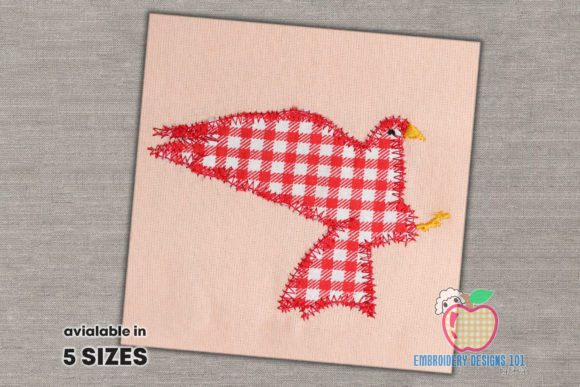
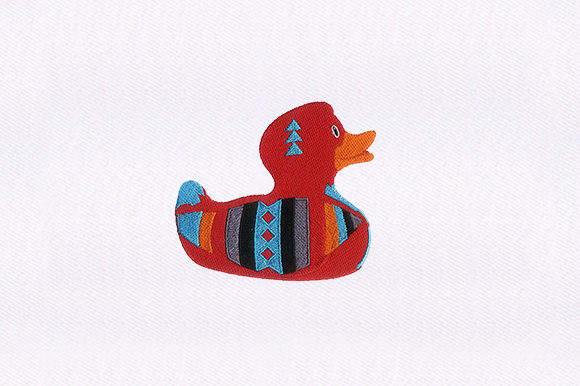
The simple title Duck immediately suggests a classic, approachable subject. In my mind, this isn't a hyper-realistic ornithological study; it leans towards a decorative, likely cute or rustic character. This is a strong starting point. For craft fair sellers, especially those targeting a farmhouse, cottage-core, or general handmade aesthetic, a duck design taps into a familiar, comforting visual language. It feels soft, often cute, and carries a gentle, decorative charm that works across many product types. It doesn't scream "festive" or "ultra-modern," which is fine—its strength is in its versatility and broad appeal.
Visual Mood & Booth Display Potential
Imagine your table: tote bags, aprons, tea towels, small pouches, and pillow covers all arranged to tell a story. A Duck design, if executed well, can act as a cohesive element. It provides a handmade quality that feels personal and skillfully crafted. Customers scanning a booth often look for a theme or a recognizable style. A well-placed duck on a kitchen towel and a matching tote bag can create a subtle, effective grouping that suggests your brand's consistency. The key is how the design itself is rendered.
Product Performance: Where This Design Will Shine
Not every embroidery design works on every surface. Let's evaluate where this Duck would stand out and drive sales.
- Tote Bags & Market Bags: This is a prime candidate. A duck, especially one with some character, makes a great focal point on a bag. It’s easy to understand at a glance and adds significant product value. It should be sized appropriately—not too small to be lost, not too large and dense to become stiff.
- Aprons & Kitchen Towels: Absolutely. Here, the duck leans into its rustic, farmhouse charm. On a tea towel, it becomes a functional decoration. This is often a high-volume item for craft fairs. The design must be tested on textured towel fabric to ensure stitch clarity.
- Embroidered Patches: A standalone duck patch can be a fantastic small-ticket item. It allows for customer engagement—people love patches for personalizing their own items. However, check the design's detail level. Does it have tiny features that might get lost when reduced for a patch?
- Pillow Covers & Small Pouches: Excellent for creating a giftable handmade item. It elevates a simple pouch or pillow into a themed, decorative piece.
- Caps: This is a trickier application. Embroidery on curved cap surfaces requires adaptation. If the duck design is very wide or has dense stitch areas at the edges, it might not sit well. This is a careful-use note.
The Duck's success hinges on it being a clear, cohesive image. It needs to photograph well for your Etsy listings and printable mockups. A clean, recognizable design does that, making your online shop products look as good as your booth samples.
Practical Production & Selling Points
As an embroidery business owner, your time and material costs matter. Here’s the on-the-ground evaluation.
Production Efficiency for Batch Work
Does this Duck feel repeatable? For batch production of tote bags or towels, the design should have a manageable stitch count and reasonable thread color changes. Without knowing the exact stitch density from the file, I advise: always test on scrap fabric first. This reveals if dense areas become too stiff for soft products like pouches, or if small details blur on darker fabrics. Check thread contrast—a duck with subtle shading might need very specific thread choices to pop on a market bag.
Confirm the hoop size requirement. A design that fits in a common, medium hoop (like 5x7) is more practical for batch work than one requiring a specialty, large hoop. This affects your production flow on a busy fair-preparation week.
Selling at a Glance
At a craft fair, customers decide quickly. The Duck must be instantly recognizable and appealing. A cute, well-embroidered duck on a tote bag tells a story of craftsmanship and whimsy. It can attract buyers looking for a gift or a special kitchen item. Its value is decorative and emotional, not purely utilitarian. This increases buyer engagement—they might smile, comment, and connect with the item.
- Booth Display Strength: Use products with this design at different heights on your table. A duck-embroidered apron hung up draws the eye; towels stacked nearby reinforce the theme.
- Small Shop Product Scalability: It can be a core, repeatable design for your line, helping build brand consistency across your Etsy shop and fair booth.
- Commercial Embroidery Ready? A crucial final step: confirm the commercial licensing of the digital embroidery file before selling any finished product. Not all files are licensed for resale of physical goods.
Critical Designer Notes Before You Stitch
Before you commit this Duck to a dozen tote bags, follow this real-world checklist.
- Stitch it out on your actual fabric choices—canvas for bags, linen for towels. Fabric texture changes everything.
- Use the correct stabilizer for each fabric type to prevent puckering and ensure clean lines.
- Inspect the stitch density in sample runs. High density can make designs heavy and less suitable for lightweight fabrics.
- Compare how it looks on light versus dark fabric. Some designs lose detail on dark backgrounds.
- Create at least one real, physical mockup of your intended best-selling product (e.g., the tote bag). This is your final proof of appeal and quality.
- Review the design's spacing and any potential tiny details (like small eyes or lettering if included) that might not scale down well for a patch or a small pouch accent.
The Final Verdict for Creative Entrepreneurs
A Duck machine embroidery design holds solid potential for craft fair sellers and boutique makers. Its subject matter is widely appealing and versatile across key products like towels, bags, and home decor. Its success, however, is not guaranteed by the title alone. It depends entirely on the execution of the embroidery file itself—its clarity, stitch economy, and adaptability to different products and fabrics. By rigorously testing and thoughtfully applying it to products where its cute, rustic charm shines, this Duck can become a reliable, attention-grabbing part of your handmade product lineup, adding genuine value and handmade character to your booth and your brand.