Detailed Moth Design: A Practical Review for Makers
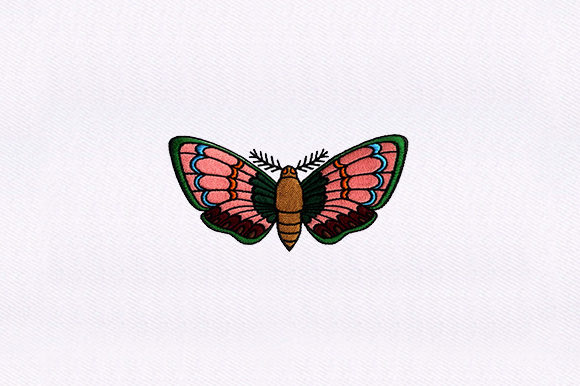
When you’re in the business of creating with a needle and thread, a design file isn’t just a digital asset; it’s a promise of what will materialize on fabric. The Detailed Moth Design arrives with that promise. My first impression? It’s a mood piece. This isn’t a cartoon bug or a simplified silhouette. It has a quiet, almost vintage personality, with intricate lines and a sense of delicate realism. The layout suggests it’s meant to be a focal point, not a filler. Instantly, my mind started cataloging the projects it naturally belongs to: a statement tote bag, the centerpiece of a linen pillow cover, a sophisticated accent on a denim jacket, or a unique decorative patch.
Where This Design Finds Its Home
Let’s get practical. I pictured pulling this design into my software, prepping a custom sweatshirt order for a boutique. The detailed nature of the moth means it carries a certain artistic weight. On apparel—like sweatshirts, t-shirts, or baby onesies—it becomes a conversation starter, moving beyond generic decoration. For handmade shop owners and Etsy sellers, that translates into a product with a story, something that feels curated and special.
It’s equally compelling for non-apparel items. Imagine it embroidered on a cotton apron or a tea towel; it elevates a simple kitchen item into a boutique-ready gift. As a standalone patch, it would attract collectors or those looking for unique embellishments. For nursery decor or a personalized blanket, it offers a gentler, natural alternative to typical themes. In my experience, designs with this level of visual personality enhance perceived value. Customers recognize the effort, and that builds trust in your craftsmanship.
A Real-World Scenario: The Boutique Tote Bag
Here’s a specific case I mentally walked through. A client requests a custom embroidered tote bag as a wedding gift. The Detailed Moth Design is selected. My immediate thoughts shift from aesthetics to execution. The detail level means stitch clarity is paramount. On a woven tote fabric, with proper stabilizer, those intricate lines should render beautifully, creating a high-end, handmade presentation. The design’s thematic elegance fits the giftability factor perfectly—it feels intentional and thoughtful, not mass-produced.
Performance Considerations and Careful Application
Now, the realist’s perspective. A design with fine details requires a mindful approach. First, hoop size is critical. While the included file formats cover a wide range of machines—from ART and PES to JEF and VIP—the physical hoop you use will dictate success. I would not attempt this on a very small hoop. The tiny corners and potential dense stitch areas in the moth’s body need space to stitch out cleanly.
Fabric choice is equally important. Textured or stretchy fabrics might blur those delicate running stitches or satin stitch outlines. Dark fabrics demand high-contrast thread color planning; a light moth on a dark background can look stunning, but you must ensure the fill stitches are dense enough to prevent the base fabric from showing through. On curved surfaces like caps, the design’s orientation and stabilization become even more crucial to maintain its shape.
For products destined for frequent washing, such as baby clothes or kitchen linens, testing stitch density on your chosen fabric is a non-negotiable step. A design this detailed needs to hold its integrity through wear.
Notes for the Professional Embroidery Designer
Before this design touches your client’s project or your small shop merchandise, here’s my standard checklist. Always stitch it out on scrap fabric first. This reveals the true character of the embroidery file—how the fill stitches lay, if any jump stitches are problematic, and how the overall scale feels. Compare it on both light and dark fabric scraps to judge thread color contrast.
Review the stitch density in your software preview. Are there areas so dense they might stiffen a lightweight t-shirt? Inspect the smallest details; sometimes, tiny elements in a machine embroidery design can merge into a blob if the thread tension isn’t perfect. Using the design in black and white printable mockups for your Etsy listings or digital product previews is a smart way to gauge its visual impact for marketing.
Finally, confirm the licensing terms. Whether you’re using it for personal gifts or commercial embroidery projects for your craft business, knowing the rules protects your work. The broad range of formats provided suggests versatility, but the responsibility for matching it to your machine and project needs rests with you.
The Final Stitch: Confidence in Your Project
Ultimately, the Detailed Moth Design is a strong digital embroidery file for makers who want to offer something with depth. It’s not a quick, generic applique design; it’s a design asset that asks for a bit more attention in setup but rewards you with a distinctive finished product. When executed well on the right product, it reinforces your brand consistency as a professional—it shows you choose designs with purpose. For the creative entrepreneur, that’s the difference between a simple item and a compelling piece that engages a buyer. My advice: respect its details, test it thoroughly, and let it shine on projects where its quiet, intricate beauty can truly be appreciated.