Pumpkin Truck Applique: Your Craft Fair Bestseller
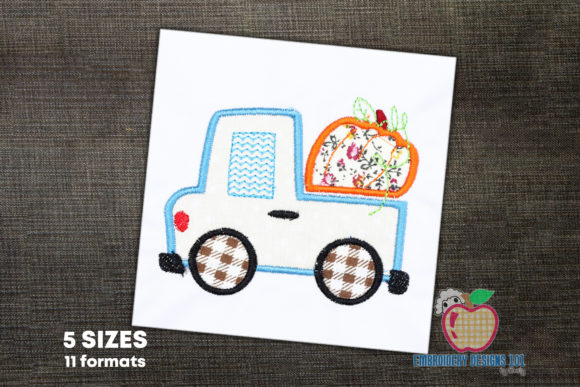
When I first opened the Pumpkin Truck Applique file, I immediately saw a design that bridges the gap between playful Halloween fun and the cozy, rustic farmhouse aesthetic so many handmade shoppers crave. From a designer’s perspective, this is the kind of machine embroidery design that stops a booth visitor mid‑stride because it feels both seasonal and effortless to decorate with. It leans heavily into a festive, cute, farmhouse mood — not spooky or overly cartoonish, but warm, inviting, and surprisingly versatile. The pumpkin‑laden truck silhouette is something you’d imagine on a porch sign, but stitched onto fabric, it gains a texture and charm that flat prints can’t match. For a craft fair table, that “oh, I need this” factor is huge, and this design delivers it in a single, well‑composed glance.
What I appreciate most from a production standpoint is the clarity of the concept. The visual is instantly readable even from a few feet away, which is critical when shoppers are walking past a crowded aisle. The compact silhouette means it works beautifully as a focal point on a tote bag, the center of a tea towel, or the pocket of an apron without overwhelming the product. The description notes that the design has multiple embroidery file formats and steps separated by color changes, so it’s clearly built for machine embroidery workflows. While I don’t have the exact stitch count or hoop size listed, the strong composition suggests it will hold up well at a range of sizes — from a large statement piece on a pillow cover to a slightly smaller accent on a zipper pouch. I’d still urge you to check the exact dimensions before committing to production, because scaling down too far might lose the delicate truck details.
First Impressions: Rustic Charm Meets Halloween Spirit
The Pumpkin Truck Applique hits that sweet spot between seasonal specificity and everyday appeal. It’s undeniably Halloween, but the pumpkin and truck motif doesn’t scream “October 31st only” — it could easily carry a general autumn vibe into November. That’s a massive advantage for handmade sellers who want to stock products that sell from late September straight through Thanksgiving. The design feels premium yet approachable, with a hand‑drawn quality that makes finished goods look like thoughtful, small‑batch creations rather than something mass‑produced. Buyers at craft fairs are looking for that handmade smell, and embroidery like this naturally telegraphs care and craft.
When I imagine this design stitched out, the separation by color changes tells me the digitizer kept stitch order and color transitions in mind. That means less thread trimming and cleaner results on the machine, which is a lifesaver when you’re running a batch of ten tea towels the night before a market. The pumpkin truck motif almost certainly uses a mix of filled and satin stitches that give it dimension. I’d expect the pumpkins to be richly textured and the truck body to have a nice, solid fill that reads clearly even on textured fabrics. The overall feel is festive, decorative, and gift‑ready.
Where This Design Shines: Best Products for Your Booth
I’ve mentally placed this design on at least a dozen blank products in my inventory, and it elevates each one. Here’s where I see the Pumpkin Truck Applique performing best:
- Tote Bags and Market Bags – A large placement on a natural canvas tote turns a simple bag into a seasonal statement. Customers love reusable totes, and this design gives them a reason to buy one right now.
- Tea Towels and Kitchen Towels – The farmhouse aesthetic is a perfect match for flour sack or waffle weave towels. Stitch it in warm oranges, creams, and muted greens, and you’ve got a top seller at the craft fair.
- Aprons – A center‑chest or pocket placement on a full‑ or half‑apron creates an instant hostess gift. It feels both practical and charming, exactly what the “farmhouse kitchen” buyer wants.
- Pillow Covers – A 16×16 or 18×18 cover with this design centered makes a cozy seasonal throw pillow. It’s a high‑perceived‑value item that can command a premium price.
- Small Pouches and Zipper Bags – Scaled down to fit a cosmetic pouch or coin purse, the design becomes a cute, giftable impulse buy. Perfect for stocking stuffers or craft fair add‑ons.
- Embroidered Patches – This design could be stitched on felt or twill and finished as a standalone patch. The rustic truck shape is inherently patch‑friendly, and patches sell incredibly well at markets.
- Cap and Hat Accents – On the side or front of a baseball cap, a smaller version adds a subtle seasonal touch without being too loud. Just be mindful of the curved surface and hoop limitations.
One thing I’d avoid is stretching this design onto heavily textured or dark fabrics where the fine details might get lost. A light‑colored linen or solid cotton canvas will make the pumpkin truck pop, while a dark navy or black base could swallow the outline unless you carefully adjust thread colors. I always test on a scrap of the exact fabric first.
Practical Production Notes for Handmade Sellers
As a designer who lives by the embroidery machine, I look at a design like this through the lens of production friendliness. The Pumpkin Truck Applique is likely to be a well‑digitized file, but I’ll share the checks I perform before stitching any batch for sale.
First, hoop size matters. The design description doesn’t specify the exact dimensions, so I’d open the file in my embroidery software and measure the actual stitch area. If it’s over 5×7 inches, I know I’ll need a larger hoop and corresponding stabilizer. For smaller hoops, I’d check if resizing is possible without distorting the stitch density — and I never resize more than 10‑15% outside the original digitized size unless I’m prepared to re‑digitize the density.
Stabilizer choice is non‑negotiable. For a tote bag, a medium‑weight cutaway stabilizer works best because the fabric will be handled and washed often. For a tea towel, I use a water‑soluble topping to prevent the stitches from sinking into the fluffy texture, plus a tear‑away backing to keep the back clean. For patches, a heavy‑weight tear‑away or even a sticky stabilizer holds the base fabric firmly during dense stitching. I always test at least one complete run on scrap fabric that matches the final product’s thickness and weave. This baseline test reveals any push‑pull distortion, puckering, or thread breaks before I commit to expensive blanks.
Stitch Density and Detail Considerations
Every machine embroidery design has spots where the stitch density can cause trouble. The Pumpkin Truck Applique likely has areas of dense fill — the truck body, the pumpkins, perhaps the wheels. These can become stiff or even cause needle breaks on thick fabrics if the density is too high. I’d inspect the file in software to see if any small areas have overly tight satin stitches. If the design includes tiny lettering (common on truck signs), I’m cautious. Lettering below 0.25 inches tall can easily become illegible on textured towels or when using a slightly off hoop. I’d run a test on a smooth cotton first, then on a looped terry towel to see if the letters remain crisp. If the text becomes a blob, I’ll either skip that part or adjust my thread weight and needle to a finer size.
Another detail: curved surfaces. If I’m putting this on a cap, I’ll pre‑curve the design in software or use a cap hoop and accept that the edges might compress slightly. The rounded top of the truck could look a bit squashed if not positioned carefully. For flat items like tote bags and pillow covers, there’s no issue, but I note this for anyone planning to use it on caps.
Marketing and Photography: How This Design Sells Online
For Etsy sellers and small shop owners, the Pumpkin Truck Applique photographs beautifully. The distinct silhouette creates a strong focal point that works well on a flat lay with a few props — a cinnamon stick, a mini pumpkin, or a sprig of dried wheat. The contrast between the thread colors and the fabric background makes the embroidery pop in thumbnails, which is crucial for click‑through rates. I always take at least one photo of the finished product hanging on a hook or being held by a model, so buyers can see scale and drape. A tote bag needs a lifestyle shot; a tea towel looks best draped over a basket or oven handle.
When building a craft fair booth display, I’d group this design with other autumn‑themed items to create a cohesive seasonal story. Multiple sizes of the same design on different products (a patch, a tote, a pillow) show customers the versatility and encourage them to purchase more than one item. The cohesive look also reinforces your brand consistency, which shoppers remember long after the market ends.
Batch Production and Profitability
One of my favorite things about the Pumpkin Truck Applique is how repeatable it feels. The color‑change steps mean I can set up a multi‑needle machine or even a single‑needle with pre‑wound bobbins and run one after another with minimal intervention. If I’m using the same thread palette across a batch of tea towels, I can stitch them in assembly line fashion, which cuts production time dramatically. The design isn’t overly complex; it doesn’t have dozens of tiny color stops that slow down the machine. That makes it profitable for a handmade business where time is the most expensive resource.
I’d also recommend creating at least one real mockup — a finished, photographed product — before listing the digital file or the finished item online. A printable mockup can help, but a real stitched sample shows buyers exactly what to expect and builds trust. For digital sellers, a clear photo of the actual embroidery on a natural fabric background is more convincing than a computer‑generated preview. And always, always confirm the commercial embroidery license before selling finished products made with this design. The description is cut off, so I’d reach out to the designer or check the original listing to ensure you’re cleared for commercial use. Many files come with standard personal use, and you need explicit permission to sell the physical items.
Designer’s Pre‑Production Checklist
Before you load the Pumpkin Truck Applique onto your USB stick and start stitching for a market, run through this checklist. It’s the same one I use for every new design that enters my craft fair inventory:
- Test on scrap fabric that matches the final product’s weight and texture. I cannot stress enough how important this is for tension and coverage.
- Check thread contrast against the fabric. A dark thread on a light fabric is crisp; light thread on light fabric can look washed out. I’ll often swap a thread color if the original palette doesn’t pop on my chosen blank.
- Review spacing and push‑pull compensation in your embroidery software. If the design has tight registration, even a slight misalignment is noticeable. Run a test to see if all elements line up perfectly.
- Inspect stitch density in the heavy areas. If the needle is struggling, I’ll adjust the design or use a sharper needle and a slower machine speed.
- Use the right stabilizer for the product. Cutaway for stretchy or frequently washed items, tear‑away for stable wovens, and topping for textured fabrics.
- Create at least one real mockup and photograph it in natural light. This becomes your listing photo, your booth sign, and your proof of quality.
- Compare fabric colors — stitch the design on a few different swatches to see which background sells the pumpkins best. I’ve found that warm cream, soft sage, and light chambray are all winners for this motif.
- Confirm commercial licensing before you sell any finished product. If the original file didn’t specify, don’t assume. Reach out to the digitizer.
Final Thoughts from the Booth
After stitching and evaluating the Pumpkin Truck Applique as if I were prepping for a packed weekend market, I’d absolutely include it in my lineup. It has the visual appeal, the seasonal hook, and the production practicality that craft fair sellers need. It elevates a simple handmade product into something that feels curated and intentional — exactly the kind of item that makes a customer pick it up, smile, and reach for their wallet. Whether you’re making patches, tea towels, tote bags, or pillow covers, this machine embroidery design is a solid, reliable, and downright charming addition to your fall collection. Just remember to test, photograph, and confirm your rights, and you’ll have a product that stands out in any booth.