Reviewing Drink Like a Fish for Your Craft Fair Booth
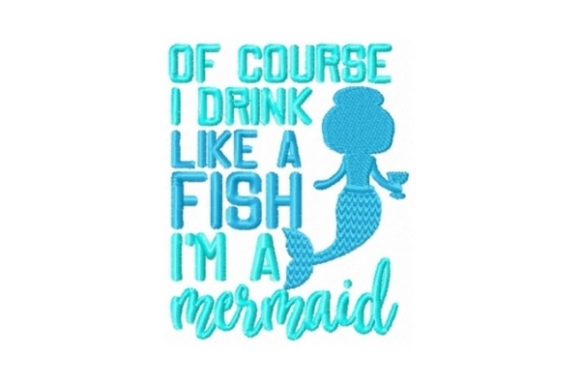
As a designer preparing for a weekend market, I look at every embroidery file with a specific lens: will it sell from a booth? Today, I’m reviewing Drink Like a Fish, a new machine embroidery design in the Beach category. My goal is to assess its real-world potential on handmade products.
First Impression: Joyful & Playful Market Appeal
The title alone, Drink Like a Fish, sets a clear tone. This isn’t a formal, elegant piece. It’s cute, joyful, and inherently playful. That’s a huge advantage at a craft fair. Customers walking past your table are looking for personality—for something that makes them smile or fits a specific lifestyle. This design has that immediate, friendly charm. It feels modern and decorative without being overly minimalist or rustic. It’s a design you can understand at a glance, which is critical for grabbing attention in a busy marketplace.
Where Drink Like a Fish Will Stand Out on Products
Imagine your display: tote bags, aprons, tea towels, caps, small pouches, pillow covers, and giftable items laid out. Not every design works on every product. Here’s where I believe Drink Like a Fish will shine.
On tote bags and market bags, it becomes a bold focal point. The joyful message pairs perfectly with a bag meant for casual, fun use—maybe a beach trip or a grocery run. On aprons and kitchen towels, it leans into a lighthearted, kitchen-friendly vibe. It’s more humorous than “farmhouse,” which can actually broaden its appeal. For a small fabric pouch or a pillow cover in a guest room, it acts as a charming accent.
One of its strongest applications might be as an embroidered patch. Patches are hugely popular, and a design with this personality is perfect for customizing a jacket, backpack, or hat. It’s also a lower-cost item for buyers, which can increase overall sales at your booth.
Practical Production & Selling Points
Now, let’s talk about turning this digital embroidery file into physical, sellable products.
Design Scale and Clarity
A key question: does it work as a small accent or a large focal design? Given its playful nature and likely illustrative elements (the description hints at a “design”), I would test it at multiple sizes. If there are tiny details or small lettering, you must be careful. On a curved cap surface or a textured towel, very small stitches can lose clarity. Always test the design on scrap fabric first, especially on the actual materials you plan to use: thick canvas for totes, textured linen for towels, or the curved fabric of a cap. Check thread contrast against dark fabrics; a joyful design can disappear if the colors don’t pop.
Photography and Batch Production
For your Etsy listings or printable mockups, this design should photograph well. Its joyful character translates visually, which helps in online sales. Regarding production, if the stitch density is reasonable and the design isn’t overly complex, it could be quite repeatable for batch production. This is essential for stocking your booth with multiple items. However, you must review the actual file details—hoop size requirements, stitch count, and thread color count—to plan your production time efficiently. The description mentions it comes with multiple formats, so ensure you use the correct one for your machine and intended hoop size.
The Importance of a Real Mockup
Never skip this step. Create at least one real mockup on the final product—a tote bag, towel, or patch. Seeing it in person tells you more than any screen preview. You’ll notice how the fabric texture interacts with the stitches, whether the stabilizer choice is correct, and how the overall product feels. This mockup also becomes your best booth sample, a tangible item that engages buyers and demonstrates handmade quality.
Affecting Customer Attention and Product Value
At the craft fair, Drink Like a Fish affects your booth’s dynamics. Its playful nature creates a welcoming, fun corner of your display. It draws a specific customer—someone looking for a gift, a casual accessory, or a touch of humor. This can increase buyer engagement and conversation. When embroidered well on a high-quality base product (a sturdy tote, a soft linen towel), it elevates the item’s perceived value. It feels like a premium, thoughtful handmade product, not just a generic commodity.
Final Designer Notes Before You Produce
Before you stitch this onto dozens of products for sale, here’s my checklist.
- Confirm Commercial Licensing: The product description doesn’t specify license terms. Before selling any finished products, verify that your purchase of this machine embroidery design includes commercial use rights.
- Compare Fabric Colors: Test the design on light, dark, and colored backgrounds to plan your product color palette. A joyful design often sells best on bright or neutral fabrics.
- Inspect Stitch Density: High-density areas on thick fabrics like canvas may require specific stabilizers and needle choices to prevent puckering.
- Consider Your Brand: Does Drink Like a Fish fit with your other small shop products? It can add a fun dimension to a more serious line or complement other beach-themed items perfectly.
- Plan Your Booth Display: Place products with this design where they’ll be easily seen—perhaps at the front of the table or grouped together to create a thematic “joyful” section.
In summary, Drink Like a Fish presents a strong opportunity for craft fair sellers and embroidery business owners. Its immediate joyful appeal, versatility across popular products like totes and patches, and potential for good photography make it a contender for your next batch of handmade products. With careful production testing and attention to the practical details of the embroidery file itself, it can become a standout item in your booth that not only looks great but sells well.